

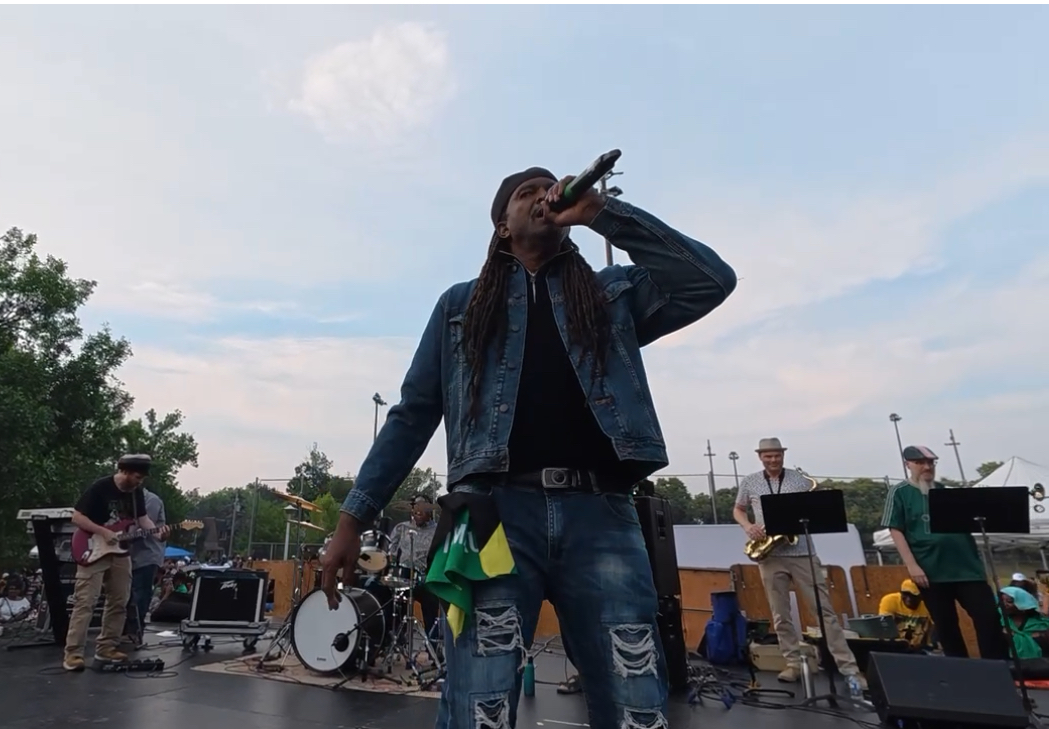
When we talk about the golden age of Jamaican music, names like Bob Marley, Dennis Brown, and Gregory Isaacs usually jump out first. But tucked inside that vibrant history is another legend: **Papa Michigan**—one-half of the groundbreaking duo *Michigan & Smiley*. To reggae lovers across the world, Papa Michigan remains more than just a name; he’s a cultural voice, a pioneer, and, in many ways, a father figure in dancehall’s early growth.
The Early Days: A New Voice in Jamaica
Born Anthony Fairclough, Papa Michigan came of age in the heart of Jamaica during a time when sound systems ruled the island nights. Music wasn’t just entertainment; it was survival, self-expression, and community storytelling. With his commanding voice, Michigan quickly gained a reputation for being sharp on the mic, effortlessly blending rhythm, humor, and consciousness.
When he joined forces with General Smiley, magic happened. Their 1978 single *Rub a Dub Style* turned heads instantly and opened the doors for what would become a long-standing partnership. Suddenly, it wasn’t just roots reggae anymore—Papa Michigan and his partner were stirring the pot, helping reggae evolve toward what we’d eventually recognize as dancehall.
What Made Papa Michigan Different
There’s something timeless about Papa Michigan’s style. While others leaned heavily into either the spiritual or the streetwise, Michigan struck a balance. He spoke for ordinary people—the workers, the dreamers, the youth hustling to make it—and he did it with a mix of seriousness and fun. His toasting style carried confidence without arrogance, wisdom without being preachy.
On stage, Papa Michigan embodied both the weight of reggae’s message and the joy of its rhythm. Off stage, he symbolized the possibilities of music to lift you up, even if life was pulling you down.
A Legacy That Keeps Echoing
Today, when younger reggae or dancehall artists talk about their inspirations, Papa Michigan’s name often surfaces as part of the foundation. DJs across the world still spin Michigan & Smiley classics during sound clashes, and their influence can be felt in how modern artists trade verses or hype up a crowd.
Papa Michigan continues to stay relevant in the music scene continuing to drop hit after hit.
Papa Michigan represents more than entertainment—he represents a bridge between eras: from roots reggae’s conscious chant to rub-a-dub’s dancehall energy. Without that bridge, the reggae family tree would look very different.
Remembering Papa Michigan as “Papa”
For many fans, he’s not just Papa Michigan the musician—he’s *Papa Michigan the storyteller*. Like a wise elder at a community gathering, his music feels like guidance wrapped in rhythm: a reminder to laugh when you can, fight when you must, and always celebrate life no matter the hardship.
Final Thoughts
Papa Michigan’s story reminds us that not every pioneer gets the front-page name recognition they deserve—but their impact runs deep in the roots of culture. For those discovering reggae today, diving into Papa Michigan’s catalog is like opening a time capsule—one filled with dance floor energy, social messages, and a voice that still carries warmth decades later.
You can find Papa Michigan on all major social platforms including Instagram papa_michigan
